Pieces — Columns
Columns
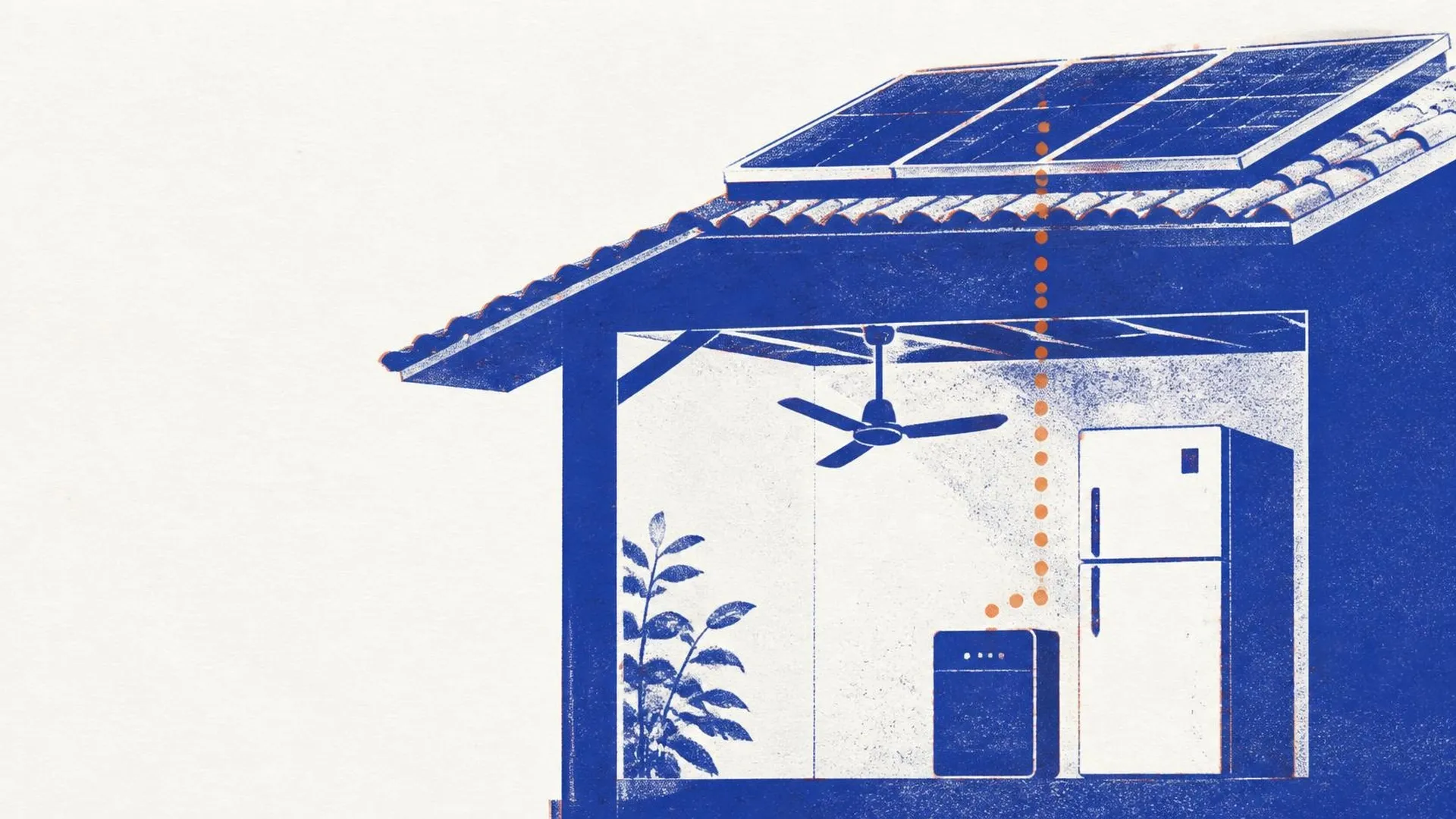
Malaysia's rooftop solar: from electricity to sell to electricity to use
On 1 January 2026 the rules for rooftop solar in Malaysia changed. Net energy metering, which had run for close to a decade, ended, and Solar ATAP began. Under the new scheme it pays better to use your own electricity than to send the surplus out. The household rebate and the corporate tax incentive both run out at the end of 2026. This piece reads what is happening to rooftop solar there from official data and local reporting.
Read more
Columns
Sudan's solar and water pumping: an involuntary energy transition
In the civil war that began in April 2023, Sudan's generating capacity fell to a quarter of its pre-war level. Amid long blackouts and high fuel prices, farmers, households and water facilities are installing solar panels themselves. This change, which barely appears in official statistics, has become a way to protect water and food — while running into high upfront costs, poor equipment quality and the absence of finance.
Read more
Columns
Abu Dhabi's energy geopolitics: an oil producer's twenty-year strategy
In May 2026 the UAE left OPEC, securing the freedom to raise output. The capital of that same country, Abu Dhabi, hosts IRENA's headquarters, Masdar with its 65 GW of renewables, and the $30 billion climate fund ALTÉRRA. This two-sidedness is not a contradiction but the front and back of a national strategy assembled over twenty years — and it raises the question of how Japan should deal with such a partner in a Middle East at war.
Read more
Columns
Bulgaria's batteries: the market and rules that carry solar into the night
Looking across Europe's battery market, attention tends to go to Germany and Italy. Yet one of the countries where the sharpest change has occurred in recent years is Bulgaria.
Read more
Columns
Texas grid batteries: what the competition is about once they are everywhere
As of September 2026, grid-scale batteries in Texas are not simply growing in number. They have entered a "post-deployment" stage in which how they earn, how the market is run, their relationship with large loads, and policy risk are all changing at once. Describing batteries as a support for renewables no longer captures what is happening. In Texas, a battery is becoming less a generating asset than a business in the time-varying value of electricity.
Read more
Columns
Romania's power flexibility: sun to spare, and not enough at night
Romania faces the paradox of surplus electricity on sunny afternoons and reliance on imports after sunset. The problem is not a shortage of renewables but that grids, storage and market rules have not kept pace with new generating capacity. The summer of 2026, when drought shut down the country's nuclear plant, points to flexibility as the next task.
Read more